
Whitewashing Vladimir Lenin?
The Lenin that Ones and Tooze leaves out

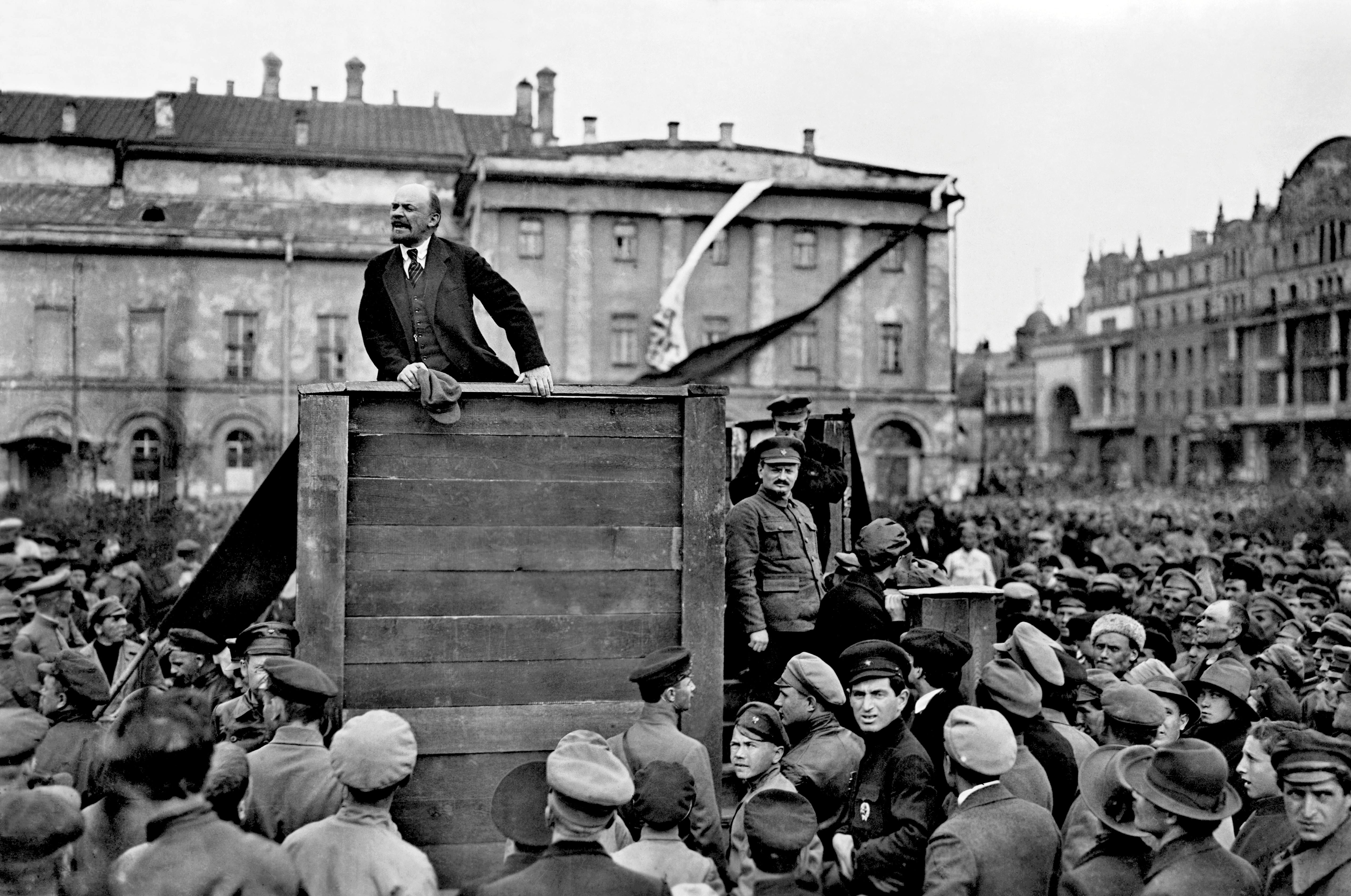
This is a review of the latest episode of the podcast Ones and Tooze: “Heterodox economists: Vladimir Lenin” (December 5, 2025). I found the conversation interesting, especially for someone with living experience of the late—and relatively “vegetarian”—period of the Soviet system established by Lenin. But I also found the episode to be morally incomplete and, at key points, historically evasive.
My argument is simple: the hosts present Lenin as an unusually adaptive Marxist theorist and a hyper-competent revolutionary strategist, but they understate the foundational violence and ideological intolerance that made this intellectual project politically catastrophic in practice—and morally indefensible.
The episode’s framing of Lenin
The episode opens a mini-series on Soviet-era “heterodox economists” and starts by treating Lenin as:
a Marxist who retools theory for a semi-peripheral agrarian empire in an age of imperial competition
the architect of the vanguard party and of a politics of making revolution under existential pressure
a flexible, ruthless strategist capable of tactical retreats for regime survival
This is a coherent intellectual portrait, and it’s worth hearing. The hosts emphasize Lenin’s attempt to update Marx for a Russia whose capitalism developed in agriculture as much as in industry, and for a world in which global rivalry and war were intensifying.
What I found genuinely insightful
A few points in Tooze’s interpretation of Lenin’s theory of imperialism and globalization were new or freshly phrased for me:
Lenin frames World War I not as an accident but as “the ultimate ghastly, holocaustal expression of capitalist contradiction and competition. So the states go way, way up because we’re no longer just talking about economic crisis and exploitation, we’re talking about holocaustal war.”
Imperialism, in this telling, creates an existential fork: leave capitalism to run its course and you may get not just “more capitalism” but total war and civilizational collapse.
Lenin looks beyond the classic Marxist focus on the industrial proletariat to the billions in colonized or semi-colonial Asia. Russia is reimagined as part of a wider agrarian-peripheral world that could become a vanguard of anti-imperial revolutions—an intellectual precursor to later “revolution from the periphery” projects by Mao and others.
The episode also makes a plausible case that the early Soviet state survived partly because the foreign powers most capable of crushing it were exhausted by World War I and lacked appetite for a second, interventionist continental campaign.
What I think is missing—and why it matters
The problem is not that the episode mentions Lenin’s violence only in passing. The problem is that it does not treat violence as constitutive of Leninism as a governing project.
Missing or too lightly handled are the following elements of Lenin’s record:
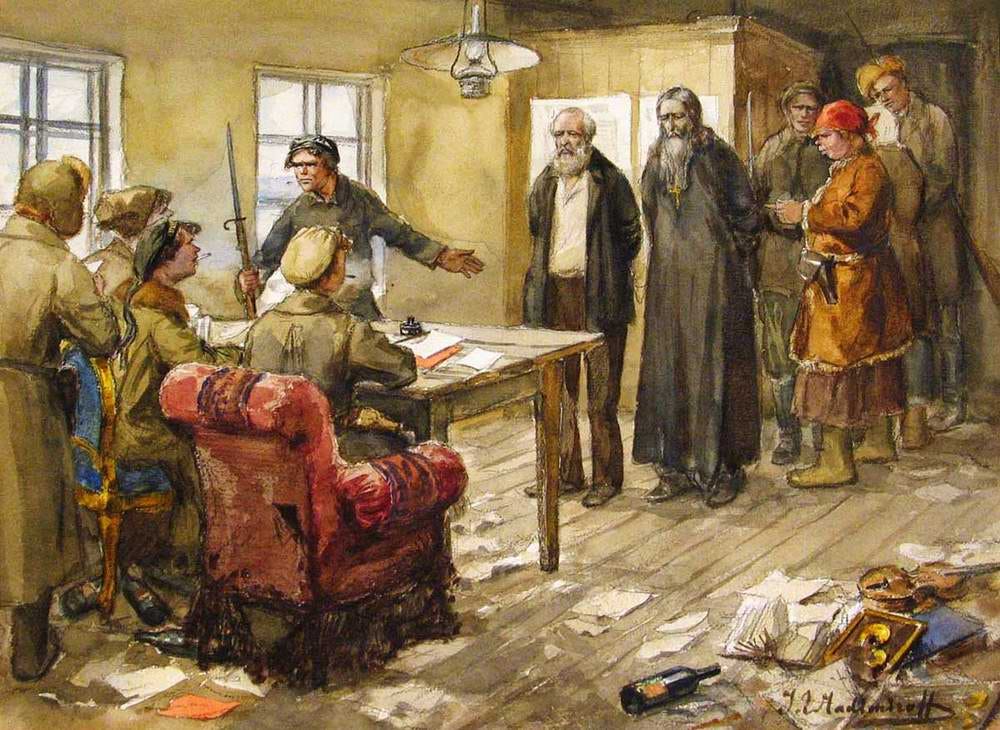
the Red Terror as a governing method
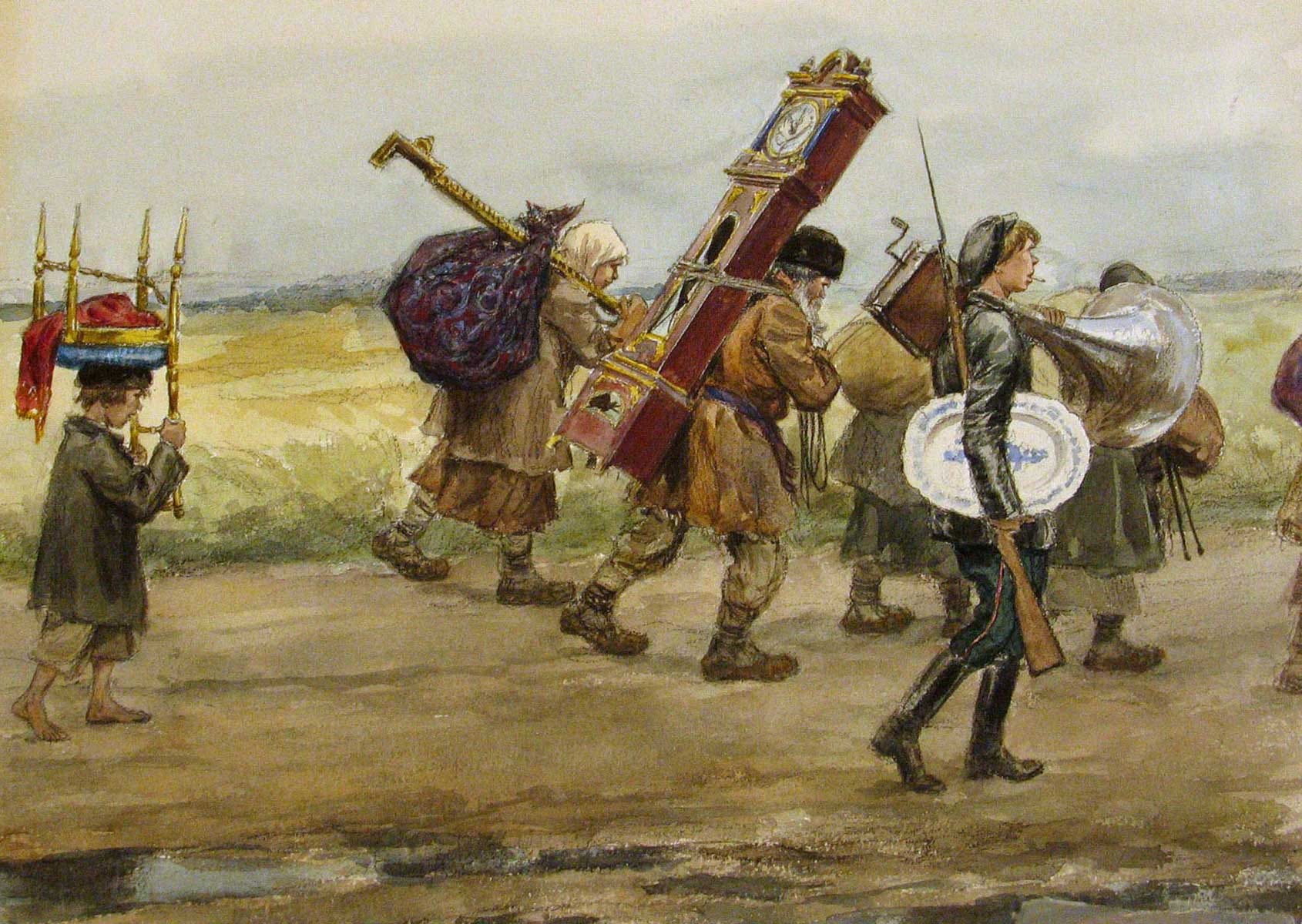
the coercive economic regime of War Communism and the political culture it entrenched
the push toward wholesale elimination of “exploiting classes,” from the imperial family downward
the genocidal campaign of decossackization that treated entire communities as enemies of the new order
Lenin’s ideological intolerance, appetite for monopoly of power, and nasty polemical style as tools of governance
the expansionist or exportable element of revolutionary ideology and practice
You can be impressed by Lenin’s analytic agility and still expect the episode to unpack the human and institutional costs of Lenin’s theory and practice.
My main disagreement with Tooze’s take on Lenin
Tooze’s account can read as if Lenin was primarily a diagnostician of the century’s coming horrors. My view is harsher: Lenin was not just warning about catastrophe—he helped normalize and institutionalize a style of revolutionary state violence that became a template and shaped both communist and anti-communist totalitarian responses. He radicalized Marxist practice by elevating class struggle into an emergency ethic and betting on organized violence to remake society, while entrenching party monopoly and enemy-elimination as tools of rule. In that sense, the twentieth century’s totalitarian disasters were not only what Lenin feared; they were also a major part of his legacy—he forged the tools of ideological mass murder.
Why this matters beyond Lenin
If we treat Lenin mainly as a brilliant theorist of imperial crisis, we risk importing his most dangerous ideas into the present: the primacy of class struggle, the claim that existential stakes justify unlimited methods, and the notion that a self-appointed vanguard can claim democratic legitimacy.
That is exactly why this episode is worth listening to—and also worth arguing with.
Next in the series
The hosts, with their deep expertise in global political economy and Western political orders, successfully dissect Lenin as strategist and diagnostician of imperialism. But in focusing on the brilliance of his theory, they overlook the constitutive horror of his practice—a practice that relied on violence as a main tool of rule more directly than the traditions they typically analyze.
I’m curious to hear Tooze’s takes on Rosa Luxemburg, Trotsky, and Stalin. If the series keeps the same balance of intellectual fascination and moral understatement, the tension will only become more visible.